Corporate Video Production in Brighton: What to Expect
Corporate Video Production in Brighton: What to Expect
Most businesses that come to us already have an idea of the video they want. A company overview. A product showcase. Something for the website. And that's a fine starting point. But the ones who get the best results are the ones willing to question that assumption before we ever pick up a camera.
This post covers everything you should know before commissioning a corporate video in Brighton: the process, the costs, the shoot day, the common mistakes, and what separates a video that actually works from one that just looks professional.
We start by asking the right questions
The first conversation we have with a client isn't about cameras or locations or turnaround times. It's about goals.
Who is the video for? What do you want that person to do once they've watched it? What does success actually look like for this campaign?
The reason we start there is that clients often come in thinking they need a particular type of video, and once we dig into who they're trying to reach and what they want them to do, it becomes clear that something slightly different would work better. We reverse-engineer from the goal, and that's where the creative process begins.
After that discovery call to cover the basics, then go deeper in a workshop. That workshop is a few hours with the key decision makers, and it's where we really build out a picture of the target audience: who they are, what problems they're dealing with, and how your product or service fits into that. We brainstorm creative ideas in that session too. Then we go away, refine the best thinking into a creative treatment, and share that back. Usually one or two rounds of feedback, and we're ready to move into production.
The production process, from first call to final delivery
Most projects run to roughly four to six weeks from that initial discovery call through to delivery. Here's how that breaks down.
Discovery and workshop. We've covered this above. A call followed by a few-hour workshop with your team.
Pre-production. This is where we organise everything that needs to happen before we press record: locations, crew, kit, insurances, talent, scheduling. If there are people featuring in the video, we'll often run pre-production calls with them so they're comfortable on camera before the shoot day. If a script is involved, that gets developed here too.
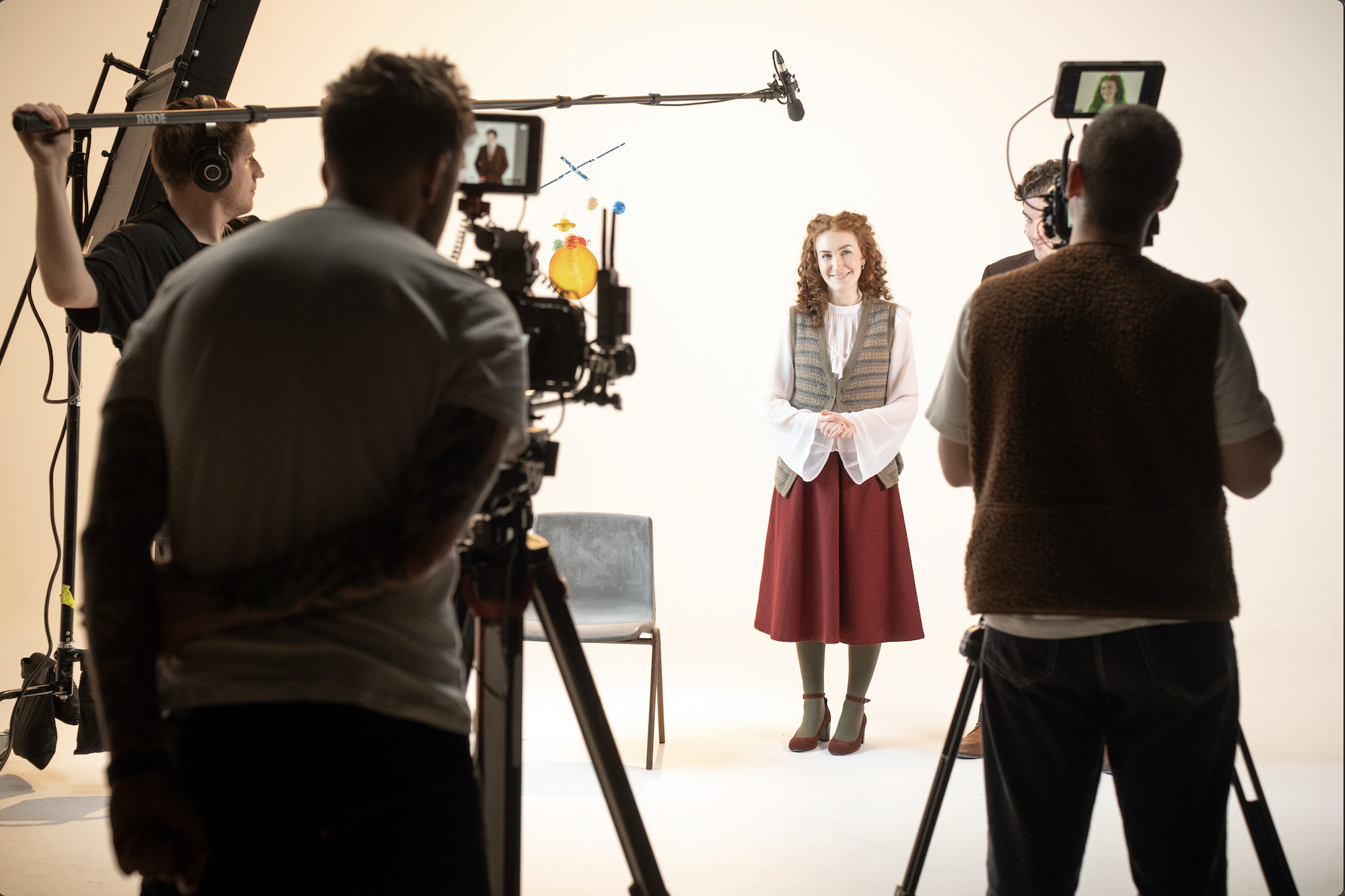
Production. The actual filming. Depending on the project, that's anywhere from one day to several days on set. We work from a shot list, and everything is scheduled out in advance so the day runs efficiently.
If you're on our Visual Vault package, we're thinking about multiple deliverables within a single shoot. That might mean pairing a testimonial video with a product video, or tailoring interview questions so the same footage serves several different cuts. If you're on our Wahoo Framework and Brand Impact package, we produce three different video types within one shoot, creating a full ecosystem of content from the same shoot days.
Post-production. Every project includes up to two rounds of amends. Our editor delivers a first cut, you give feedback, and we work through revisions from there. The final version gets colour graded, subtitles added, and any social media cutdowns produced.
After delivery, we can also supply colour-graded stills from the shoot, handpicked for use in pitch decks, presentations, and social media. It's a straightforward way to make sure nothing useful is left unused from the day.
If you need support with strategy around posting and paid advertising, we work with partners who can help with that side of things too. Most of our clients have existing marketing teams who handle it, but it's there if you need it.
What a shoot day actually looks like
At Wild Stag Studio, we are a full-service production company. We handle planning, shooting, editing, and delivery. Where clients tend to be most useful is in helping us access the right people: connecting us with staff who'll feature in the video, coordinating access to parts of the office, or looping in their own clients if that's needed.
Beyond that, we take care of the rest.
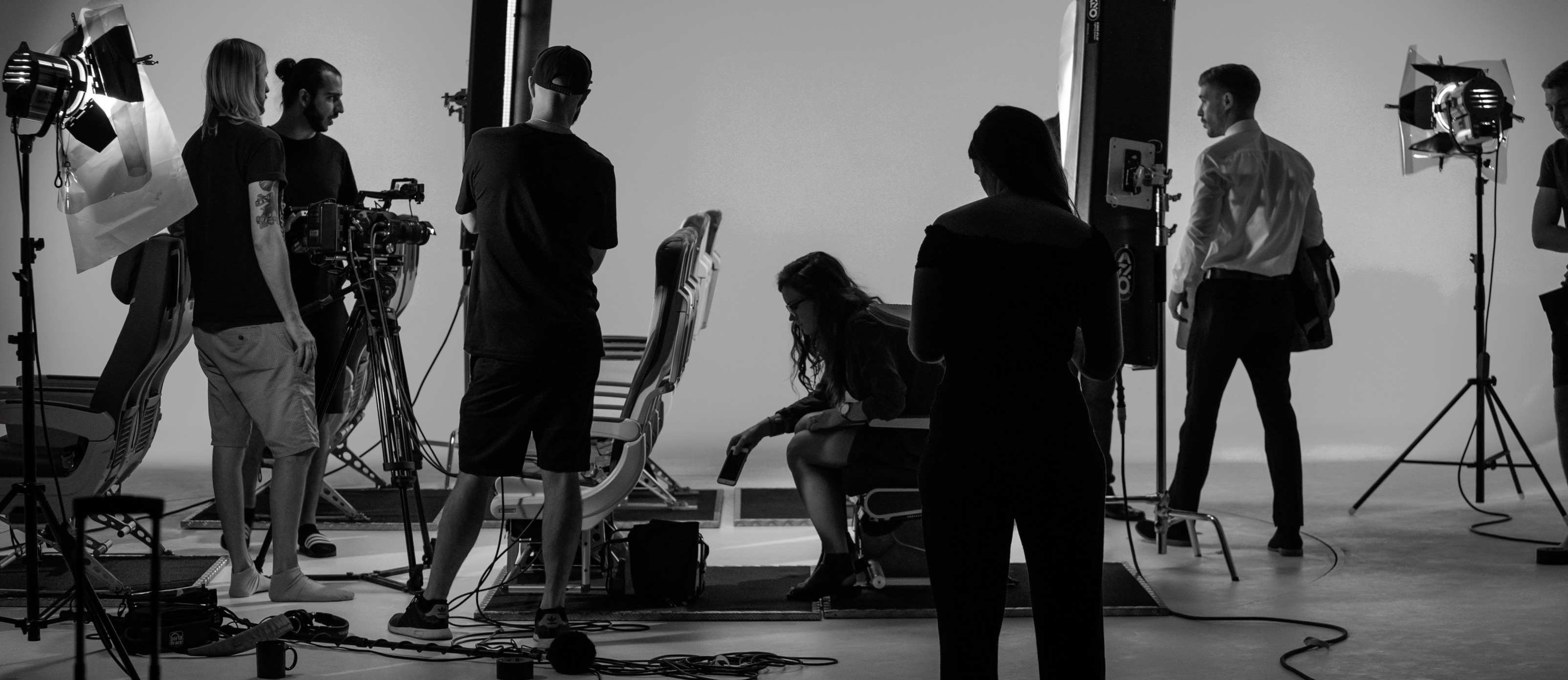
A typical corporate shoot day starts with setup, which takes around an hour and a half. If there are interviews involved, we usually schedule those in the morning. People are fresher, and anything that comes up in the interviews can then shape what we capture in the B-roll for the rest of the day.
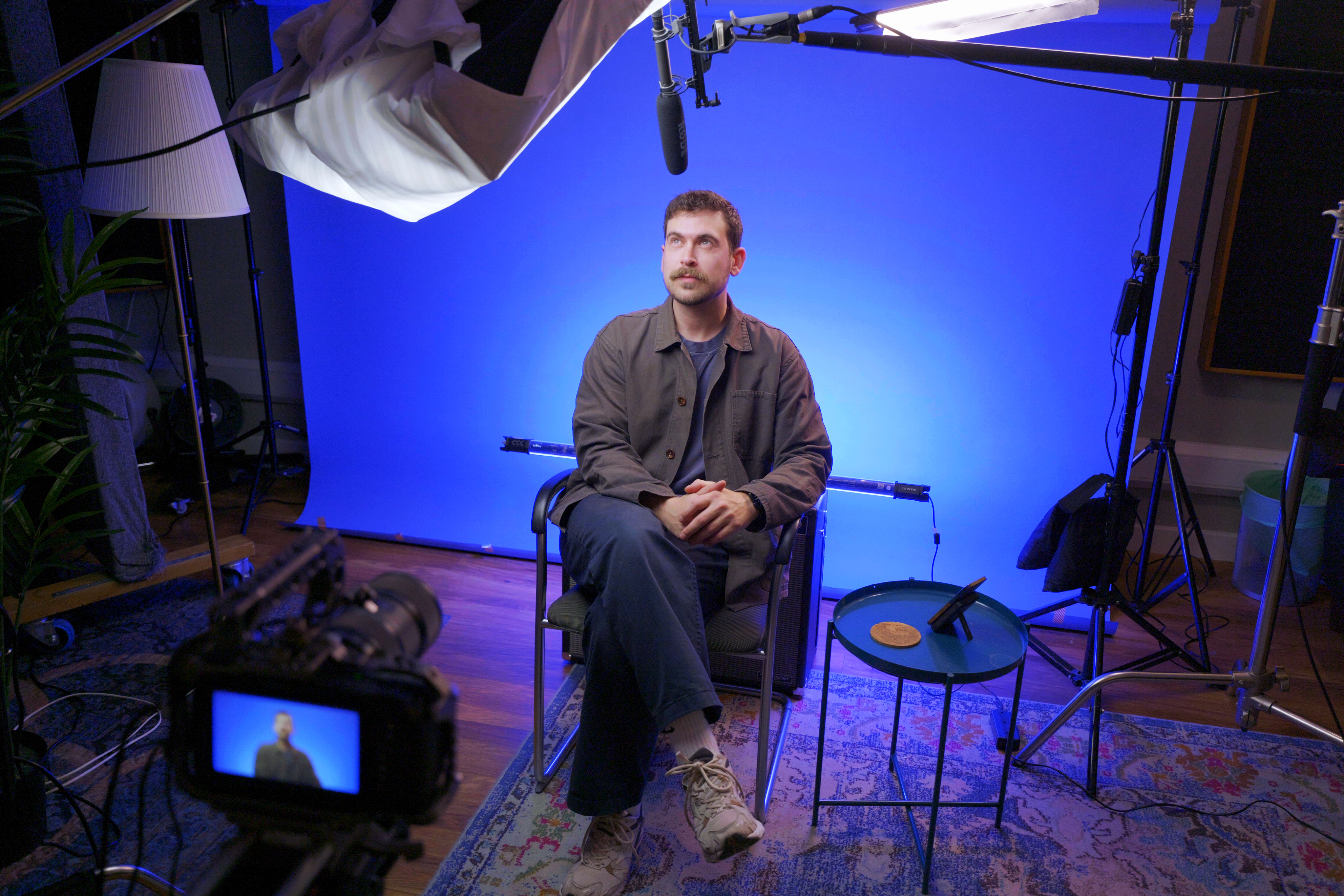
We allow roughly an hour per interviewee. After that we move through the shot list: product shots, team footage, location material, whatever the brief requires. Lunch is built in, usually an hour, and then we push through the afternoon.
The whole day is scheduled in pre-production so everyone knows where they need to be and when. On the day itself, our job is to work through that plan and adapt if something unexpected comes up.
The mistakes Brighton businesses commonly make
Not sharing a budget. This is the most common one. If we don't know your budget range, we're quoting blind. Like going to an estate agent without telling them what you can spend, and ending up being shown both a studio flat and a five-bedroom house. Giving us a range, even a rough one, means we can tell you quickly what's realistic and what isn't.
Not having a deadline. A rough deadline helps everyone. Projects typically take four to six weeks from first call to delivery. If you've got a longer runway, that's fine. If you've got an event or a campaign launch to hit, knowing that from the start means we can plan accordingly.
Coming in with a fixed brief and no room to explore. We can absolutely show up and shoot what's on the page. But when clients come into the workshop open to thinking things through properly, the creative ideas that come out of that process are almost always stronger than what was in the original brief. The videos that perform best tend to be the ones that went through that process.
If you can come to us with a sense of your target audience, a budget range, a deadline, some examples of videos you like (and some you don't), and your main goals for the project, that's a genuinely great starting point.
If you would like some help with your video strategy then click here to book a discovery call
Location in Brighton: what's available and why it matters
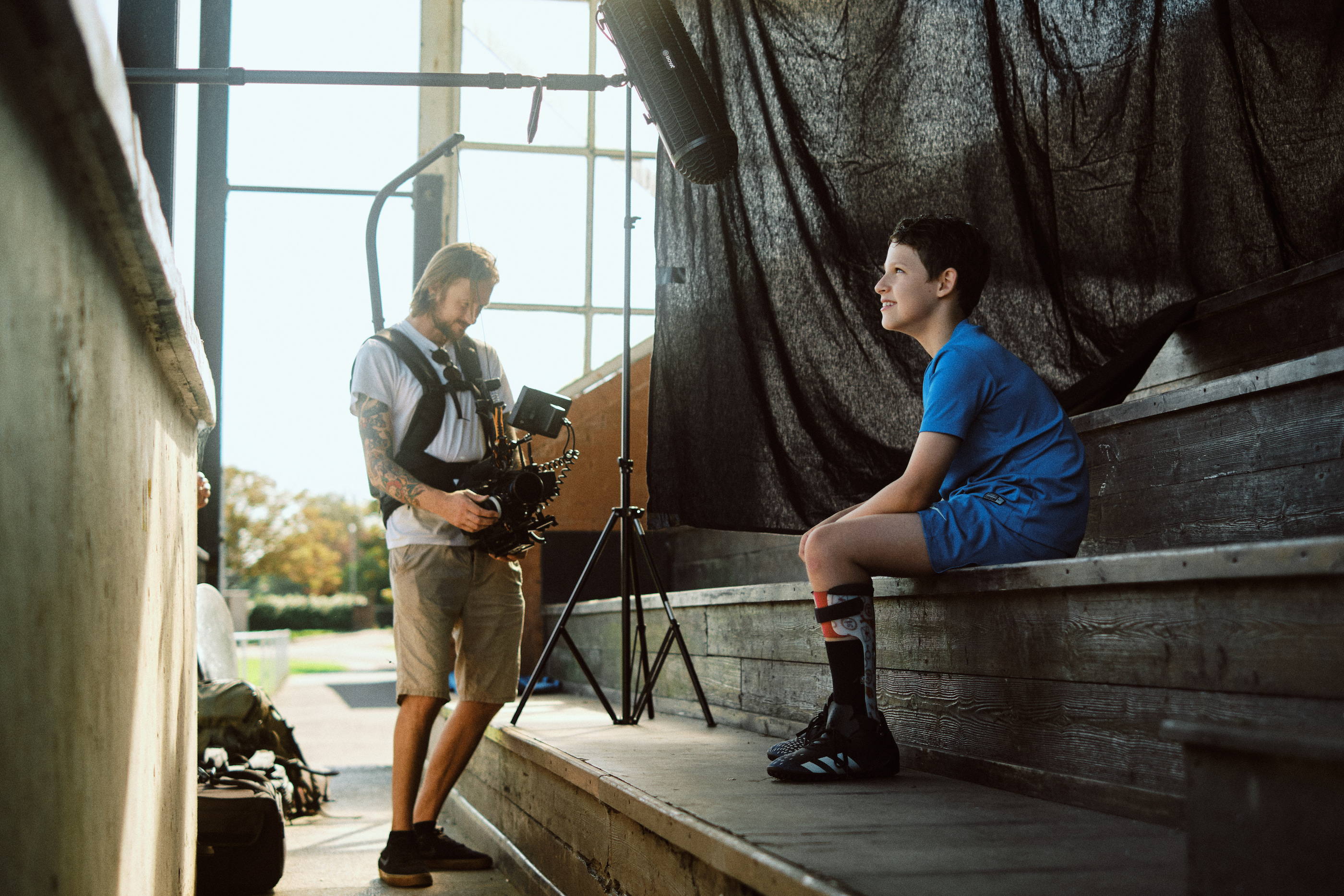
Brighton is a good place to make videos. The lanes, the seafront, the South Downs, the forest just outside the city. The variety means we can find the right backdrop for a wide range of briefs without having to travel far.
We also have access to some strong studio options. There are smaller content-led studios in the city, and for larger productions there's Brighton Studio just outside town, which has a drive-in facility and a full infinity cove where you can build sets properly.
We're based at Platform 9 in Brighton, which has meeting rooms and event spaces that work well for certain shoots.
Beyond locations, knowing the area well means we have established relationships with Sussex Film Office, local rental houses, and other filmmakers in the region. That translates into better logistics, better pricing, and keeping as much of the budget as possible working locally.
What separates a corporate video that works from one that just looks good
The most common mistake in corporate video is making the video about yourself.
"We do this, we're the best at that, here's our award, here's our history." There's a version of that which is fine in small doses. But the moment you lose sight of the person watching, they're gone.
The videos that actually work are the ones built around the viewer: what's going to hook them in, what's going to keep them there, what's going to make them genuinely interested in what you're offering. That comes from doing the strategy work properly at the start, understanding who that person is and what matters to them, and building the creative around that.
Looking high quality matters. We take that seriously. But production value alone won't make a video perform. The right content, aimed at the right audience, with a clear goal behind it, is what does that.
What does corporate video production in Brighton cost?
Our projects typically range from £5,000 to £15,000+ depending on what's involved.
At the lower end, you're looking at a focused one or two-day shoot with likely interviews and B-roll, a small crew, and a straightforward edit. That works well for a lot of use cases.
Costs increase with the scope of the project: additional shoot days, more complex post-production, motion graphics or animation, sound design, licensed music, actors, voiceover artists, or studio hire with set builds.
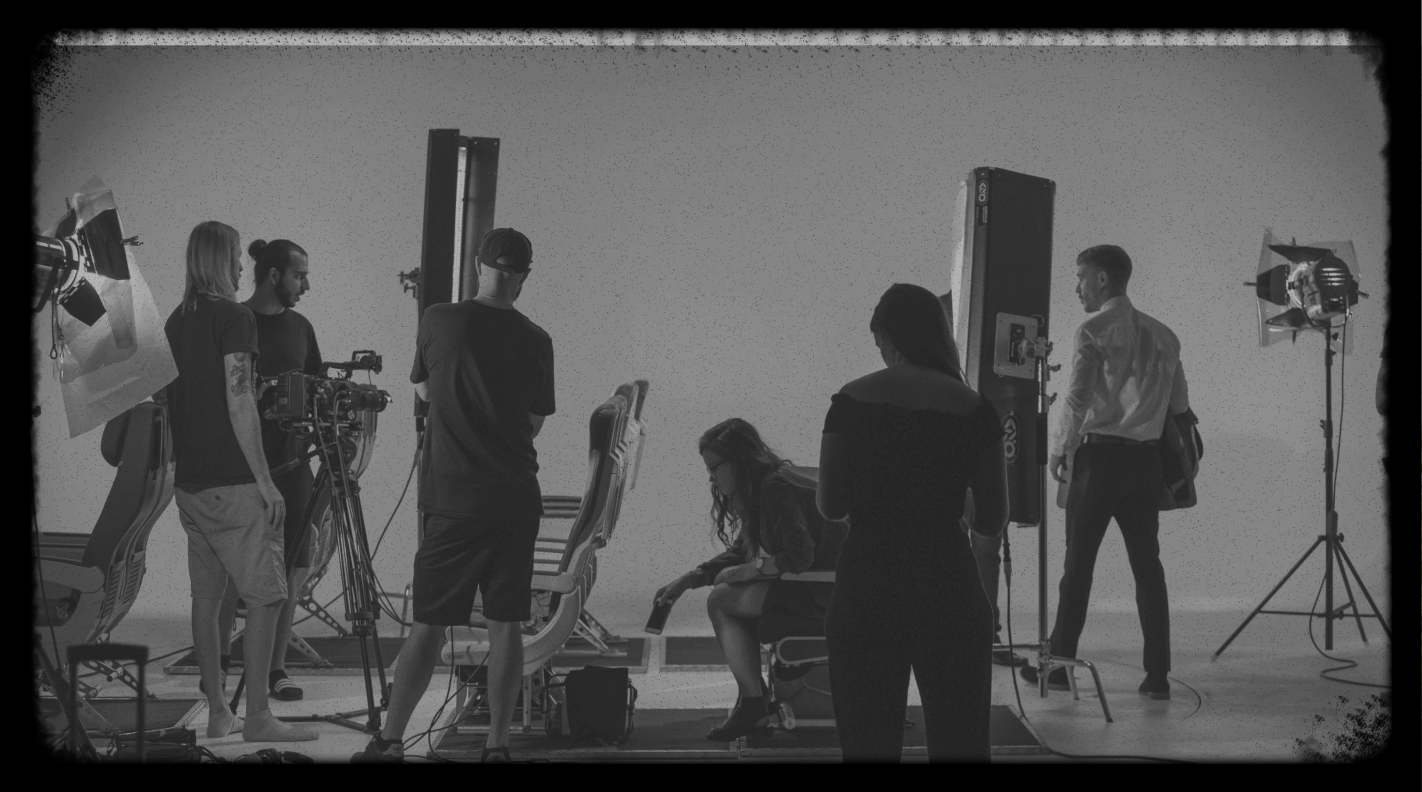
We keep our crews lean by design. Two to five people on most shoots. It means we can move quickly, get in and out of locations efficiently, and keep costs proportionate to what you actually need.
For context, one of our more involved projects was with Parkeray (which you can find in our portfolio) a London-based brand, where we built a set, shot in a studio, and worked with actors. That's a different proposition to a single-day corporate shoot, and the budget reflects it.
The honest answer is that it really depends on your vision and what you need the video to do. Once we know that, we can tell you clearly what it takes to get there.
What to have ready before you get in touch
You don't need to have everything figured out. That's partly what we're here for.
But if you can come to us with a sense of your goals, a rough idea of the types of videos you respond to, and a budget range in mind, that gives us enough to have a genuinely useful first conversation.
Our Strategy Blueprint Workshop is designed specifically for businesses who know they need video but aren't sure what the right approach looks like. We come alongside you, work out what type of video will actually move the needle for your goals, and think through distribution and reach at the same time, including paid advertising if that's relevant.
If you're ready to start thinking about corporate video production for your Brighton business, get in touch here and we'll set up a discovery call.
Written by Wild Stag Studio founder and video strategist Dave Neale