Video Production Guide for an On-Camera Interview
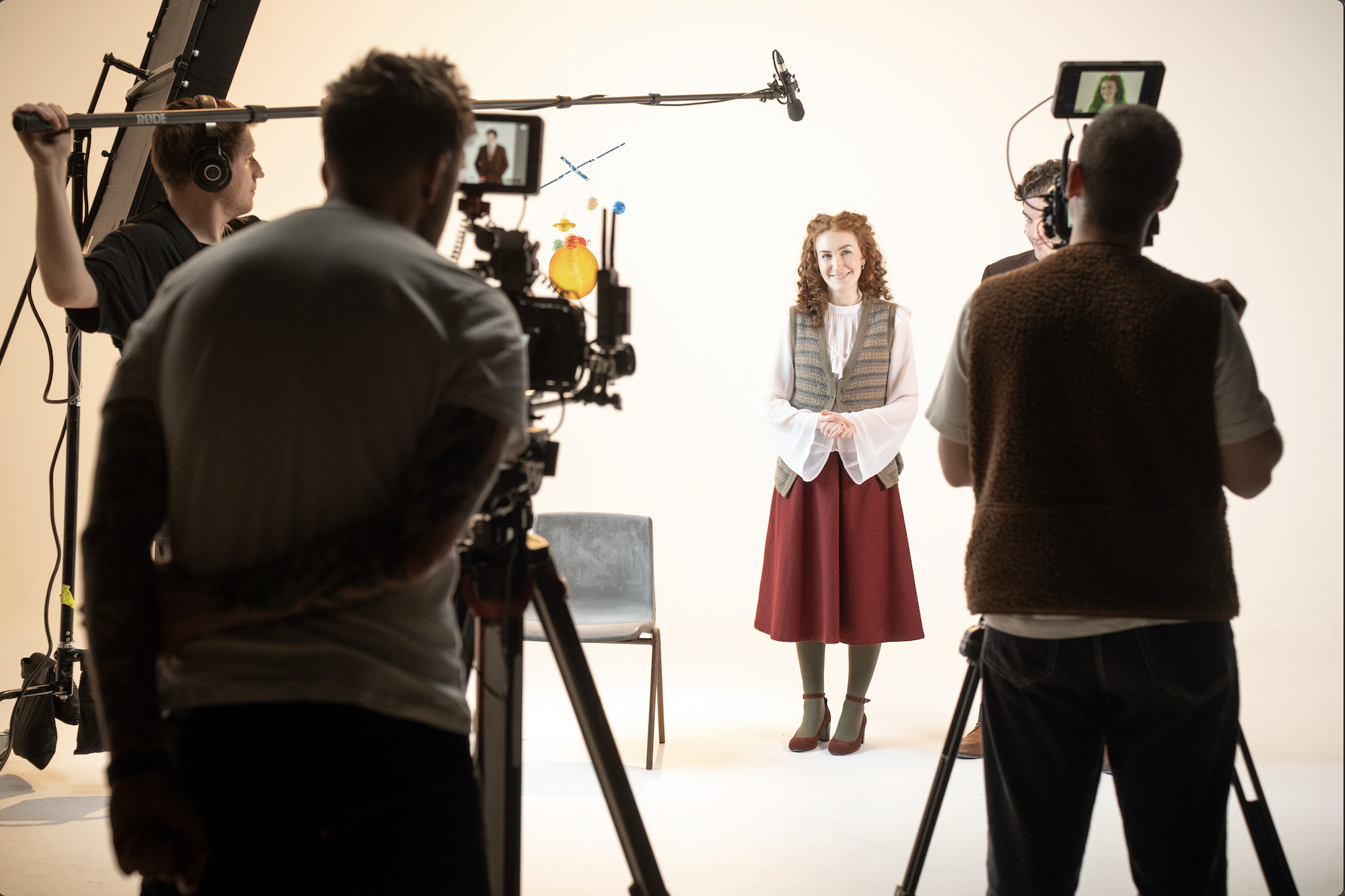
From Princess Diana to Michael Jackson, there have been some legendary on-screen interviews over the years. The one thing they all had in common? High-quality video production. An interview that packs a punch needs to be directed and filmed with intention, setting up the shot to trigger the right emotions in the audience and ensure the story takes centre stage.
As experts in video production in Hampshire, our team at WildStag Studio has created this handy guide to help you nail on-camera interviews.
Plan and Prepare
Interviews require just as much planning as other videos - if not more. We recommend starting by planning the interview itself and exploring what topics will be discussed, the sort of questions you want to ask, and your main goals for the interview. It’s a great idea to speak to the interviewee at this point to confirm the questions and ensure they’re happy with the direction you’re taking.
Once you have an understanding of your content, it’s time to plan the setup. Create a moodboard of interview videography that inspires you, using this to guide your aesthetic and the formatting of your video. If you start feeling a little out of your depth, it’s worthwhile investing in professional video production in Hampshire to guide the process for you.
Staples of an Interview Set Up
As video production experts ourselves, we thought we’d share a few of our top tips for filming interviews:
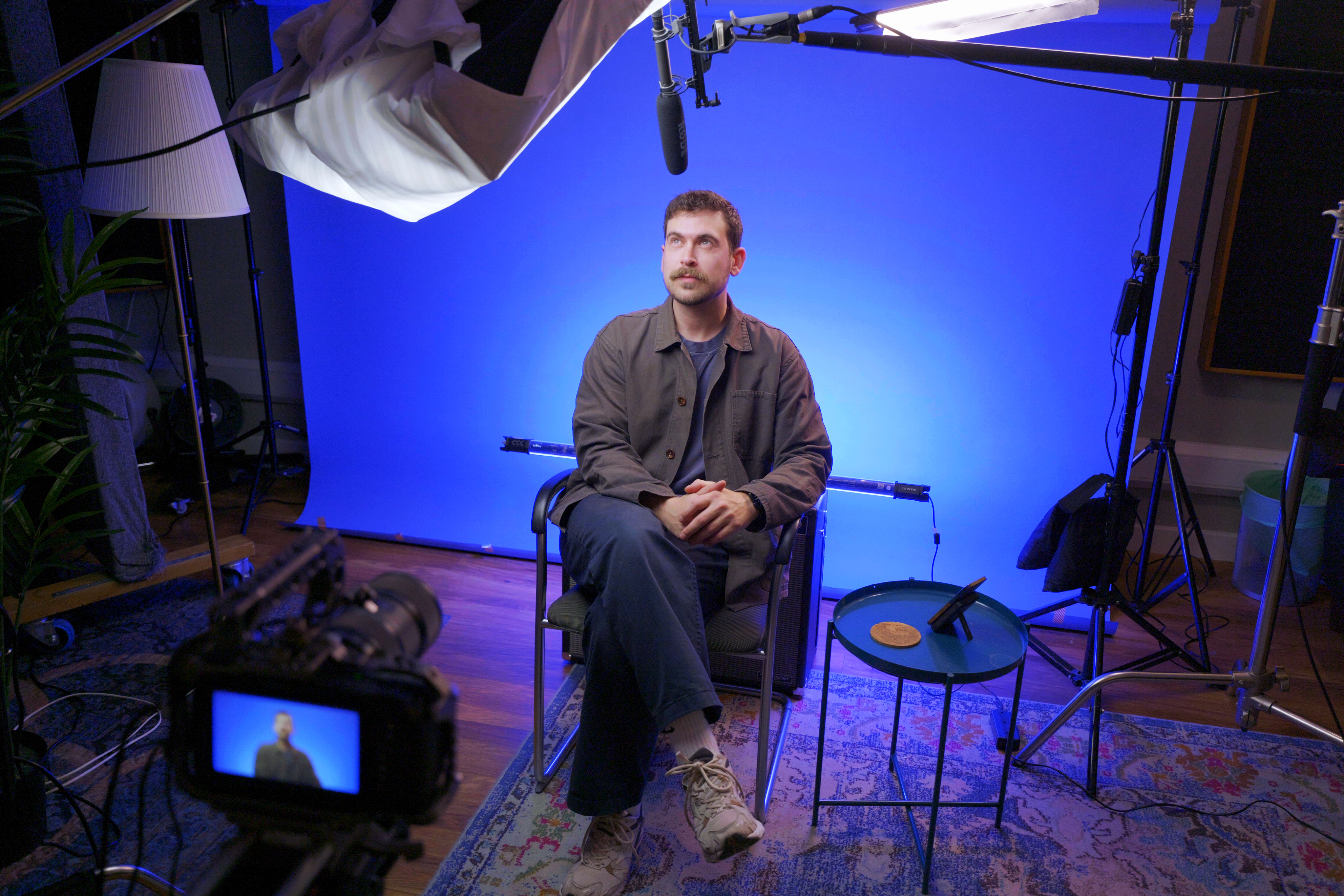
1. Keep the backdrop simple to maintain focus on the interviewee
2. Use a zoom lens so that you can either keep the camera tighter on the face or have a wider shot (this depends on the emotional impact you’re aiming for)
3. We tend to like a focal length of either 40mm or 70mm for interviews
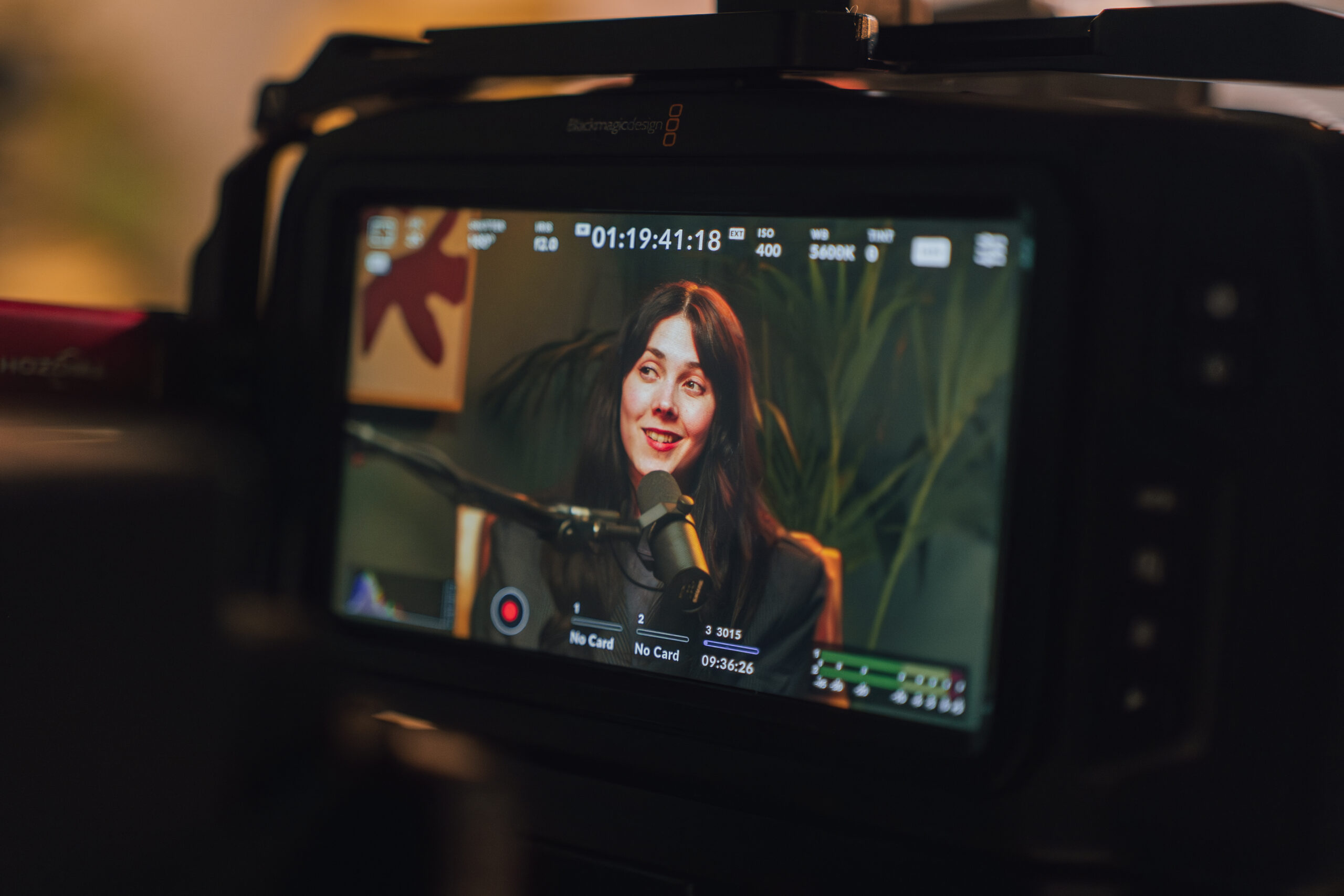
Make sure you get the lighting spot on, too, and adjust the settings on your camera for a clear video with the right exposure. We recommend keeping this simple during the interview and editing/colour grading the raw footage after filming.
Stick to the Script (Mostly)
It’s a good idea to stick to the line of questions you’ve already confirmed to avoid the interview running away from you. This keeps the content on topic and makes the most of the time you have. That being said, it’s okay to ask a couple of unexpected follow-ups that flow naturally from the interviewee's answers, and it can actually help your interview flow better. Just be sure you have the interviewees' permission before going off script.
Film in a Studio
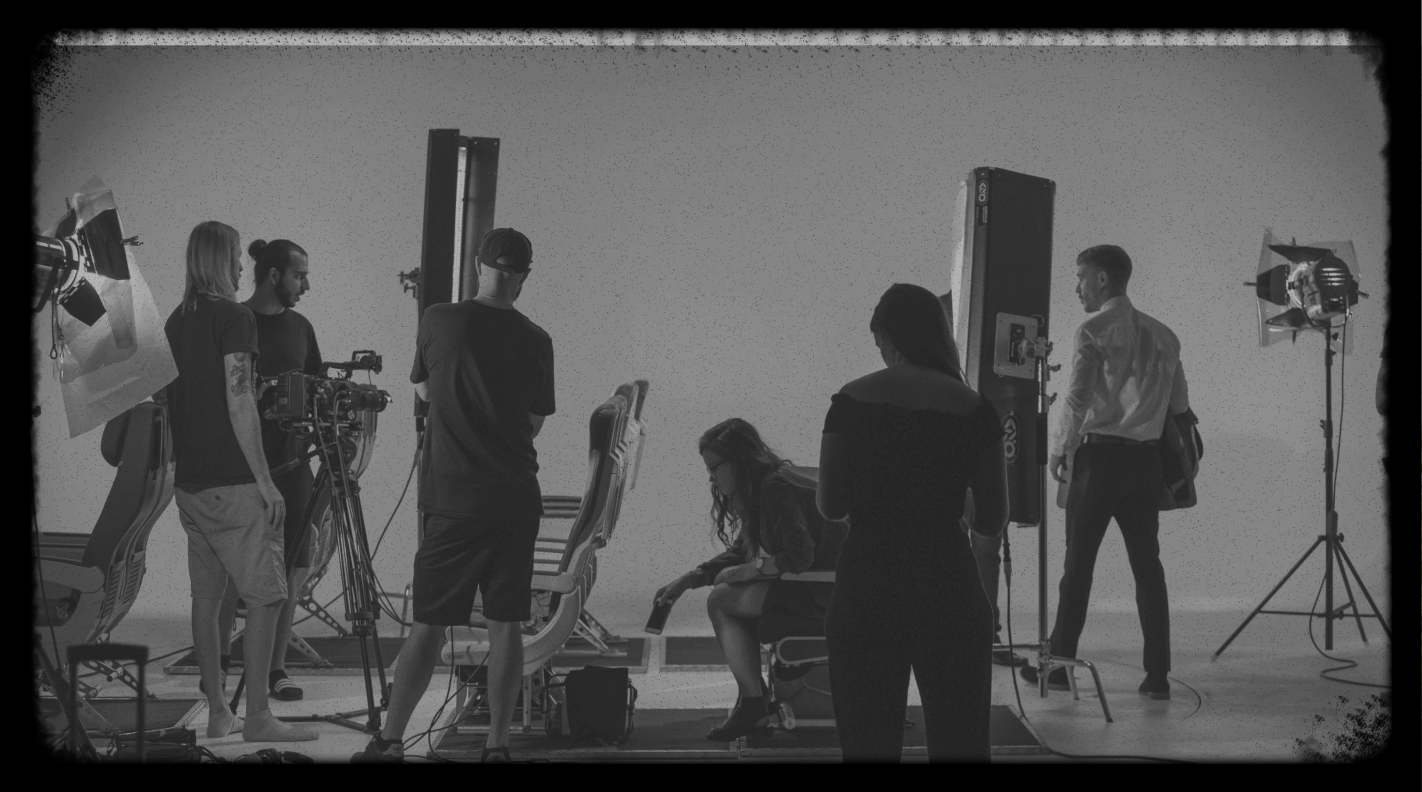
On the whole, we recommend filming in a studio. There are exceptions to this rule, such as when it’s more fitting to film in an office or the person’s home, but setting up in these spaces will be a lot trickier. By filming in a studio, you have a space that’s already designed for videography, with potential access to backdrops, lighting equipment, and even the odd piece of camera gear (like tripods).
Not sure where to find a suitable studio? Get in touch with us and we’ll be happy to help.
Invest in Professional Video Production in Hampshire
The best advice anyone can give you when you’re planning to film an interview is to invest in professional video production. Filming is a technical and complex art, requiring an understanding of cameras, lighting, and video editing. If you want to make the most out of your interview and create a professional video, work with the experts.
At WildStag Studio, we’ve helped a diverse range of brands over the years create everything from on-camera interviews to brand films. Get in touch with us for video production in Hampshire.